Japan’s used car market is huge, with millions of vehicles sold each year. Although people consider it standard practice, it’s pretty complex. Cars here usually cost less, are in great shape, and there are tons to pick from. But if you aren’t savvy, buy and sell cars in Japan can be super risky. There are hidden fees, scams with bogus listings, and often, lackluster inspections. Mistakes with paperwork can get expensive quickly. This guide will help residents, licensed dealers, and overseas importers navigate the japan cars and avoid losing out.
Why Japan Is the Best Place to Buy and Sell Cars
Japanese vehicle laws are super strict. Every car needs to pass a government inspection called a Shaken every two years. They look at safety, emissions, and overall condition. The catch? Renewal costs are incredibly high, so many folks sell their cars just before the next one’s due.
There’s a steady supply of good-condition, low-mileage used Japanese cars hitting the market. People can get great vehicles for reasonable prices, really. Yet, buying involves auctions, agents, and heaps of paperwork. Plus, most folks don’t completely understand the process.
Where People Buy and Sell Cars in Japan
Before buy and sell cars in Japan, knowing where transactions actually take place is key, beyond just the fancy ads. Used car trading mostly happens at dealer-only wholesale auctions, hidden from plain sight. The big leagues here are USS, TAA, JU, and HAA, Kobe. These places aren’t open to the public, so only licensed dealers and registered agents bid there. If you want to join these auctions, you need a trusted intermediary to help out.
Now for buyers who want a bit more safety, you can look at retail dealer showrooms like Goo-net Exchange and Car Sensor. They sell directly and usually include inspection reports and sometimes even a short warranty period. On the other hand, private online platforms like Yahoo Auctions Japan can be cheaper, but the risk is typically higher, because there is no warranty and no professional inspection baked in. If you are buying from outside Japan, export-focused dealers are often the smartest route. They handle shipping and customs paperwork for you, so you do not have to wrestle with the documents alone.
How to Buy Cars in Japan Without Losing Money
The first step is setting a realistic budget. Do not just think about the car price. You also have to factor in auction fees, usually 3 to 5 percent, plus agent commission, inspection costs, shipping or transportation fees, registration charges, and any import taxes, too. Most budget just for the car itself, yet extra costs can add up fast and really surprise them.
Your best protection is finding a licensed agent, so always check their dealer license number. Always double-check their dealer license number, look at online reviews, and ask for references. When your agent finally spots a car, read the auction sheet carefully, because it is not just a form. Each vehicle at Japan’s auctions includes a condition report graded from 1 to 5. Try to aim for Grade 3.5 or higher. Never go for Grade 2 or below unless you are prepared to spend heavily on repairs later.
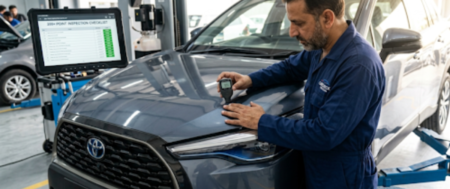
Before you commit to any purchase, you really should get a pre-purchase inspection. Third-party inspections cost between ¥5,000 and ¥15,000, checking the engine, transmission, suspension, and body condition. That small cost can prevent you from losing hundreds of thousands of yen on surprise repair bills. Also, confirm legal ownership by checking the vehicle registration document called Shakken-sho, and do not pay cash to an unknown seller. Always use bank transfers with a written receipt.
Mistakes to Avoid When You Buy Cars in Japan
Trusting photos without any verification is kind of one of the most expensive errors in Japan’s used car market, seriously. Online listings often throw in older images, or they are edited a bit, you know. You should always ask for a live video inspection, or if you can, have a local agent physically look at the vehicle before you commit. Another pricey mistake is skipping import and emission rules altogether. If you are exporting a Japanese car, verify the regulations in your destination country first, because things can get strict fast. Plus, some countries ban right-hand drive cars, while others have strict rules about emissions and import limits.
Also, never bypass asking about accident history. A car can appear flawless but still hide serious repair work underneath the shine. Always request the vehicle history report, called Jidosha Kensa Kiroku, it shows past inspections, ownership changes, and recorded accident repairs.
If you want to understand the full bidding process before stepping into the market, it is worth reading how to place a bid at a Japan car auction so you know exactly what to expect. And no matter how irresistible the deal seems, do not let urgency steer you into a quick decision. Sellers who pressure you to decide immediately are almost always trying to conceal something, or at least they are not telling the whole story.
How to Sell a Car in Japan at the Best Price
When it comes time to sell, you kind of have three main options. The quickest way is going through an auction house. You register your car, choose a minimum price, then dealers bid on auction day. In most cases, your vehicle sells within hours, like pretty fast. Seller fees usually sit around ¥10,000 to ¥30,000, depending on the auction house and the car’s actual value.
Selling straight to a dealer, like Gulliver or Autobacs, is convenient, and you get cash the same day too. Still, the dealer price is almost always about 10 to 20 percent lower than the market value. If you are aiming for the best return, you can list your car directly on sites like Goo-net or Yahoo Auctions Japan. This option does take more time and effort, but the price you get is typically the highest compared with the other routes.
For cars that are five years old or more, export sales are worth serious thought. African, Southeast Asian, and Middle Eastern buyers shell out good cash for clean Japanese cars. Export agents handle most parts, from shipping all the way to customs, so the whole thing feels streamlined and easy, even if you do not do much yourself.
Tips to Get More When You Sell Cars in Japan
Keep your service records, seriously. Having a full maintenance history can boost your car’s value by about ¥50,000 to ¥100,000 compared with a similar car that has no proof of care.
Before you even post it, clean it up thoroughly, not just a quick wipe, because a professionally detailed car tends to move faster and usually gets a noticeably better price. Put in ¥5,000 to ¥10,000 for a full detail, and yeah, it pretty much covers itself on the sale
Timing is also kind of everything. In Japan, the best season to sell a used car is usually between February and April, right before the new fiscal year starts, when companies and families are buying more. Try not to list it in summer or in late December, since the market kind of slows down then. Also, check similar listings on Goo-net and Car Sensor before you pick a price. Try to land near the middle of the market range and then negotiate from there. Do not start too low, because that is how you lose money.
How to Export Cars From Japan Safely
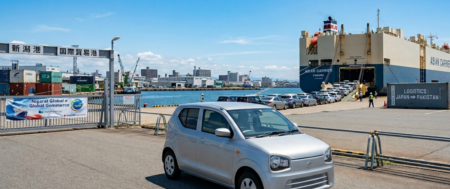
Exporting a vehicle from Japan is a process with a few key steps. First you need to deregister the car at your local Land Transport Office to get an export certificate. After that, apply for the Export Certificate either via the Japan Automobile Dealers Association, or you can go straight through customs. Next, organize shipping through a certified freight forwarder, because this matters a lot. Roll-on Roll-off shipping is usually the more budget-friendly way for most buyers. You should also set aside something like ¥80,000 to ¥150,000 for the full export processing, including port fees and customs documents. From the moment you buy until the vehicle is actually loaded at the port, the whole process commonly takes about two to four weeks.
Final Tips for Buying and Selling Cars in Japan
Japan’s used car market is, honestly, one of the best in the world for buyers and sellers at the same time. The vehicles are usually kept in good shape, the supply feels steady, and the pricing stays competitive. But then again, this market kind of rewards the prepared person and punishes the careless one. Before you make any move, it is also smart to go through the legal requirements for buying and selling cars in Japan in 2026 so your paperwork is clean from the start. So use licensed agents, inspect everything before you pay, keep your paperwork tidy, and plan the timing of your transactions in a smart way. Just follow the steps in this guide and you will not only protect your money, you will squeeze the most value out of every deal you do when you buy and sell cars in Japan.