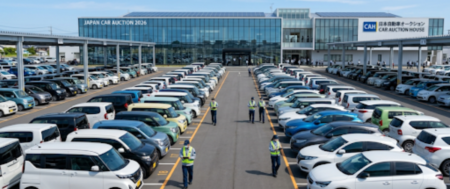
Buying cars from auctions in Japan is exciting. There are many options and attractive prices. However, one important question buyers often ask is: are auction cars accident free in Japan?
The answer is not always simple. Some cars are in perfect condition, while others may have hidden issues. Understanding the process helps you make a safe and smart purchase.
Are Auction Cars Accident-Free? The Honest Answer
Not always. That is the short, honest answer every buyer in Japan needs to hear first. Auction cars come from many different places, including repossessions, trade-ins, fleet returns, insurance claims, and private sellers. Some cars have never been touched. Others have been in serious collisions, flooded during typhoon season, or salvaged and quietly repaired before hitting the auction floor again.
The problem is that Japanese auctions do not always separate clean cars from damaged ones in an obvious way. Everything gets listed together, and the burden of checking falls entirely on the buyer. Here is a quick breakdown of where auction cars commonly originate in Japan:
| Source | Accident Risk Level | Notes |
| Bank Repossessions | Low to Medium | Mostly mechanical neglect |
| Insurance Total Loss | Very High | Salvage or rebuilt vehicles |
| Fleet and Rental Returns | Low | High mileage but usually maintained |
| Dealer Trade-ins | Medium | Problem cars often go straight to auction |
| Private Seller Consignments | Medium to High | History is frequently unclear |
| Dealer Overstock | Low | Usually, newer and cleaner vehicles |
Auction cars are not a single category. They are a wide mix of histories, conditions, and risk levels. Never assume all auction cars are accident-free just because they appear at a reputable auction house.
Japan’s Auction Grading System Explained
What the Grades Actually Mean for Buyers
Japan is actually ahead of most countries in terms of auction transparency. Every vehicle sold at a Japanese auction receives a standardized grade from a certified inspector. Understanding these grades is your first real line of defense.
Grades 6 and 5 represent the cleanest vehicles available. Grade 6 is essentially showroom condition. Grade 5 means near-perfect with minimal signs of daily use. These cars carry the lowest risk of hidden accident history.
Grade 4 and 4.5 cover vehicles in very good condition with only minor surface scratches or tiny dents. Generally reliable and considered low-risk for serious undisclosed damage.
Grade 3 and 3.5 show noticeable wear, scratches, or evidence of minor repairs. Some Grade 3 cars may have had light accident work done. Always run a full history check on anything graded 3 or below.
Grade 2 and 1 indicate significant cosmetic damage, mechanical concerns, or major defects. These carry the highest risk and demand thorough inspection before any purchase decision.
RA Grade is the one to watch most carefully. RA stands for accident-repaired. These vehicles have confirmed collision history and have been fixed up before returning to the auction floor. They are legal to buy, but price them accordingly and inspect them thoroughly.
How to Check if Auction Cars Are Accident-Free
Step-by-Step Guide
You do not have to take a chance or gamble. There are practical steps every buyer in Japan should follow before bidding on any vehicle.
Steps to Verify Accident-Free Cars
Step 1: Find the Chassis Number
Every Japanese vehicle has a chassis number. You can find it on the dashboard door jamb or engine bay. This number helps you get the car’s history.
Step 2: Get a Vehicle History Report
Services like CAR-PASS Japan give you records. These records include owners, accident history, odometer readings, and Shaken inspection records. Do not skip this step, no matter how good the car looks in photos.
Step 3: Read the Auction Sheet Carefully
Every vehicle at a Japanese auction comes with an inspection sheet. Think of it as the car’s report card. It gives you a clear picture of the vehicle’s condition before you even see it in person.
Take time to understand the symbols used on these sheets. For example, an “A” usually indicates past accident repairs, while a “W” can point to water or flood damage. These small notations carry a lot of weight. They often reveal details that a simple listing or sales pitch might not mention.
Step 4: Check for Physical Warning Signs
Photos can only tell you so much. If you have access to the car, or detailed images, look a little closer.
Pay attention to panel gaps. Uneven spacing can suggest previous repair work. Check how the paint looks under different lighting. If shades don’t match, that’s a sign of repainting.
Also, notice small details like overspray on rubber seals or slight ripples in the metal on doors and panels. These are subtle clues that bodywork has been done, even if it hasn’t been disclosed upfront.
Step 5: Hire an Independent Inspector
If you’re serious about buying, don’t skip this step. Bring in a certified mechanic or an independent inspector.
A professional inspection at the auction site gives you peace of mind. They can spot issues that aren’t obvious and help you avoid costly mistakes.
The good news is that major auction houses like USS Tokyo, JAA Osaka, and TAA Kinki allow these inspections. Taking this extra step can make all the difference between a smart purchase and an expensive regret.
Red Flags That Suggest a Car Is Not Accident-Free
- Spotting warning signs early saves you from mistakes.
- Watch for these carefully:
- Visual Warning Signs:
- Uneven or inconsistent gaps between body panels
- Paint overspray, on door rubber trim pieces or glass edges
- rippled metal on any exterior panel
- Mismatched paint color or sheen in different lighting
- Replacement bolts on panels that should never be removed
Documentation Warning Signs:
- No Shaken service history available
- Multiple prefecture registration changes within a short period
- Auction sheet showing “A,” “W,” or “X” damage notations
- Gaps in ownership records on the history report
- Chassis number plate showing any signs of tampering
A single red flag might be explainable. If you see problems with a car, it is a clear sign that you should look for a better car.
Case Study: What Happens When You Do Not Check The History Of A Car In Japan
A person in Nagoya found a 2019 Honda Fit on a website where people buy and sell cars. The price of the car was 680,000 yen, which is lower than what the car is really worth. The pictures of the car looked good. It got a good grade of 3.5. The person who wanted to buy the car was very excited because they thought they had found a deal, so they bid on the car without checking its history or reading the details about the car carefully.
When the car arrived, the person noticed that the front bumper was not aligned properly. A mechanic they trust looked at the car. Found out that it had been in an accident before, and the repair work was not done well. To make the car safe to drive, the person had to spend 380,000 yen to fix it. In the end, they spent 1,060,000 yen on the car. A car, in good condition, is only worth 900,000 yen.
This scenario repeats itself constantly across Japan’s auction market. A 1,500 yen history report and thirty minutes of careful auction sheet reading would have prevented the entire situation. When asking whether auction cars are accident-free, always answer that question with research, not optimism.
Tips for Smart Auction Buying in Japan
Whether you are a first-time buyer or returning to the auction market, these practical tips keep you protected:
- Learn auction sheet notation before bidding. The Japanese inspection sheet is your single most valuable tool at any auction.
- Always run a CAR-PASS or equivalent history check. No exceptions, regardless of grade or appearance.
- Attend preview days in person when possible. Physical inspection always reveals things photos never show.
- Target Grade 4 and above for lower risk. Beginners, especially, should avoid Grade 3 and below until they gain more experience.
- Calculate the full total cost upfront. Include auction fees, transport, Shaken costs, registration, and a realistic repair buffer before deciding if a price is genuinely attractive.
- Cross-check history across two report providers. Different databases catch different issues. Using two sources together gives you the clearest picture.
- Never let auction excitement override your budget. Set a firm maximum bid before the sale starts and stick to it fully.
Conclusion
Are auction cars accident-free in Japan? Some genuinely are. Many are not. Japan’s auction system is among the most structured and transparent in the world, with standardized grading, detailed inspection sheets, and accessible history reports. But the system still requires active participation from the buyer. No auction house guarantees a clean history on your behalf. The tools exist to protect yourself completely. Use the grading system, read every auction sheet carefully, pull a history report without fail, and inspect physically whenever possible. Thousands of smart buyers across Japan find excellent, clean vehicles at auction every year. With the right preparation, you can absolutely be one of them.