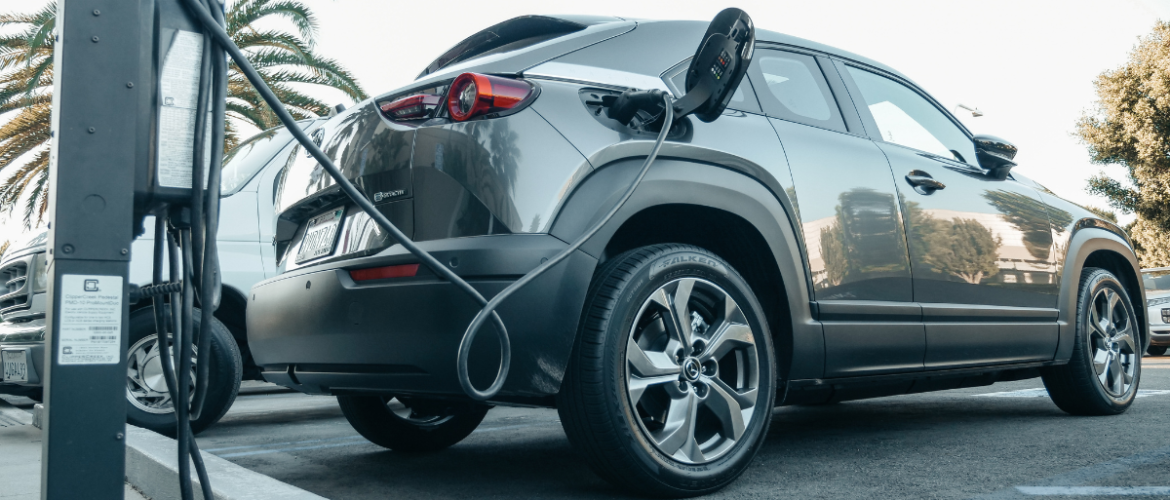
Batteries that are involved in the manufacturing process of hybrid cars are responsible for the required energy input in the electric motor. The lifespan of the battery in the production of hybrid cars largely depends on how well it works with the regular gasoline-powered engine to make sure that the car operates with maximum efficiency. As per the information provided by The Japan Cars, the batteries used in hybrid cars are powered by either NiMH or Li-ion technology that is highly durable and can last anywhere between 8 to 15 years, or 100,000 to 150,000 miles.
Hybrid Batteries Last Longer: Life Span, Care, and Myths Dispelled
Today’s car market features hybrid automobiles, which bring together the best aspects of both electric and fuel-powered engines.
This advancement is mainly enabled by hybrid batteries, which consist of cells designed to provide electrical energy to assist with the performance of a vehicle’s motor, brake systems, and other functions.
It should be noted that, unlike car batteries, which provide electrical energy to operate various features and start an engine, hybrid batteries supply high voltages to enable a car to function efficiently. How long do hybrid batteries last? This leads to another pressing issue in the minds of potential buyers and existing owners: What is the life span of a hybrid battery?
How Long Do Hybrid Batteries Last: Life Expectancy
There has been an advancement in the expectations for battery life over time. The earliest hybrids from the early 2000s, such as the Toyota Prius, became a standard in determining the battery’s performance capability, with some packs still working for more than 20 years and surpassing 300,000 miles on road use. How long do hybrid batteries last? Statistics indicate that the lifespan ranges between 8-10 years in general cases and 15 years for hybrids with good maintenance, sometimes outliving the car itself. Warranties are offered by manufacturers to guarantee their customers’ satisfaction. The minimum requirement is 8 years or 100,000 miles in the United States.
There are considerations, such as battery technology, that affect efficiency. NiMH battery types are prevalent in cars such as the Honda Insight and Ford Escape Hybrid because they are durable and have high tolerance to deep discharge cycles. The new generation Li-ion battery types are more energy efficient and lighter compared to previous models, although they deteriorate faster in harsh environments. The reduction in storage capacity ranges between 1 2% annually. Nevertheless, the design of hybrid cars ensures they function efficiently with about 70-80% battery life left.
Factors That Affect How Long Hybrid Batteries Last
A battery can never last forever, irrespective of whether it is a normal one or a hybrid battery. Several factors affect the longevity of batteries, including driving practices where frequent stops and starts in an urban environment result in high wear on batteries owing to constant charge and discharge cycles.
The second factor is climate. High temperature is dangerous to your hybrid vehicle because it leads to quicker chemical reactions and faster wear. For instance, batteries in Arizona discharge two to three times faster than those in colder climates. However, cold weather affects their efficiency, not longevity.
Moisture is another threat because it can. In essence, whether or not you take care of your hybrid battery will determine the result. Hybrid batteries require active coolants like fans and pumps for temperatures ranging from 20-40°C. Overheating results when you ignore coolant flushes and software recalls.n cause corrosion of external parts.
Signs of Problems Ahead
The hybrid battery system deteriorates slowly, which gives enough time to take corrective action. You should be alert to the decreased fuel economy by about 10-20%, the glowing of the warning light for the hybrid system, weak acceleration performance, or switching to the gasoline engine only. In more sophisticated systems, there are error codes such as code P0A80, indicating problems with the hybrid battery cells’ balance (Toyota).
Replacement Realities: Cost Considerations and Wise Decisions
The best place for a single internal link in this section is on the “Toyota Camry Hybrid” or the general term “hybrid vehicles” to connect it to your blog category. This keeps the focus on the technical cost discussion while providing a path for the reader to learn more.
Updated Section:
The fear of a battery replacement invoice may hold some consumers back, but it’s a relatively inexpensive process, especially when considering the rapid reduction in prices. A new factory-made battery unit for mainstream models, such as the Toyota Camry Hybrid, will cost between $3,000-$4,000 for the parts and $500-$1,000 for the labor, equating to a total of $4,000-$8,000.
Luxury PHEVs, such as BMW’s plug-in hybrid range, may even reach $10,000-$20,000 due to their higher battery capacity. A refurbished/reconditioned battery reduces the price significantly. Independent auto repair shops provide mobile services and discounts of up to 30-50% compared to dealers. As for hybrid vehicles older than 10 years, consider replacing the battery rather than trading in the car for a minimal value.
Techniques for Maintenance that Have Proven Themselves to Maximize Lifespan
Some easy tricks will enable you to make your battery last as long as possible.How long do hybrid batteries last? Parking in a shady spot or in a garage will help prevent your battery from overheating, as every 10 degree increase in temperature halves your battery’s lifespan.
Regenerative braking is done by lifting your foot from the pedal. For hot weather areas such as Jhelum, buy a battery thermal wrap ($100-$200) or an aftermarket cooler. Monitor your health using OBD II applications such as Hybrid Assistant (for Prius owners). This can take you from 150,000 miles to 250,000.
Dispel Common Misconceptions
Myth 1: Hybrids require constant recharging no, there are self-recharging vehicles that recharge by using braking and engines.
Secondly, Myth 2: Batteries fail abruptly and failure occurs progressively.
Finally, Myth 3: Replacement is expensive evidence proves this to be a myth, with warranties and affordable battery options available.
Statistics from car fleets show that hybrids are less expensive to maintain than gas-consuming cars.
Future of the Hybrid Battery
Developments such as solid-state batteries will deliver life spans in excess of 20 years, along with much quicker charging times. Companies such as BYD and Toyota are producing batteries for over 1 million miles. Prices are dropping 10%-15% per year.
Conclusion
The batteries used in the production of hybrid cars provide the energy needed by the electric engine. How long do hybrid batteries last depends on how they work alongside the conventional gas engine to ensure that the car runs at maximum efficiency. These batteries in most hybrid vehicles use either NiMH or Li-ion technology, which is very robust and lasts between 8 and 15 years or 100,000 and 150,000 miles under normal conditions